

Learn Creative Skills That Actually Get Used
Hands-on workshops in design, photography, and web for beginners and beyond.

Our Purpose –
Here at Nova, we specialize in teaching modern skills that empower individuals to thrive in today’s fast paced world. Our approach combines practical knowledge with innovative techniques to ensure effective learning and real-world application.
At Nova Creative Workshops, we teach practical creative skills through short, focused, project-based classes. Whether you’re brand-new or leveling up, our workshops are designed to be fun, hands-on, and immediately useful.
Our instructors are working designers, photographers, and developers who love sharing what they know. Every class includes real examples, guided demos, and plenty of time to explore.
Whether you’re building a portfolio, improving your creative workflow, or launching a side project, Nova has a workshop to help you get there.
Design
Logo designing, Layout, Branding
Learn layout, branding, color theory, and logo creation with industry-standard approaches
Photography
Composition, Lighting, Editing
Understand composition, lighting, storytelling, and smartphone techniques you can use today.
Web & WordPress
Build, Customize, Manage
Build and customize websites using modern WordPress tools – No coding required.
Looking to explore on your own? Start with one of our recent articles from the Nova blog.
-

Intro To Design
In this hands-on workshop, you’ll learn the fundamentals of logo design — from initial thumbnail sketches to basic vector creation. We’ll walk through shape language, color selection, and simple typography choices that help make a logo feel polished and professional.
No prior design experience is required. You’ll leave with a finished logo concept and a basic understanding of what makes a strong visual identity.
Sketch, refine, and digitize a simple logo using free or…
-
Why WordPress Is Still Worth Learning
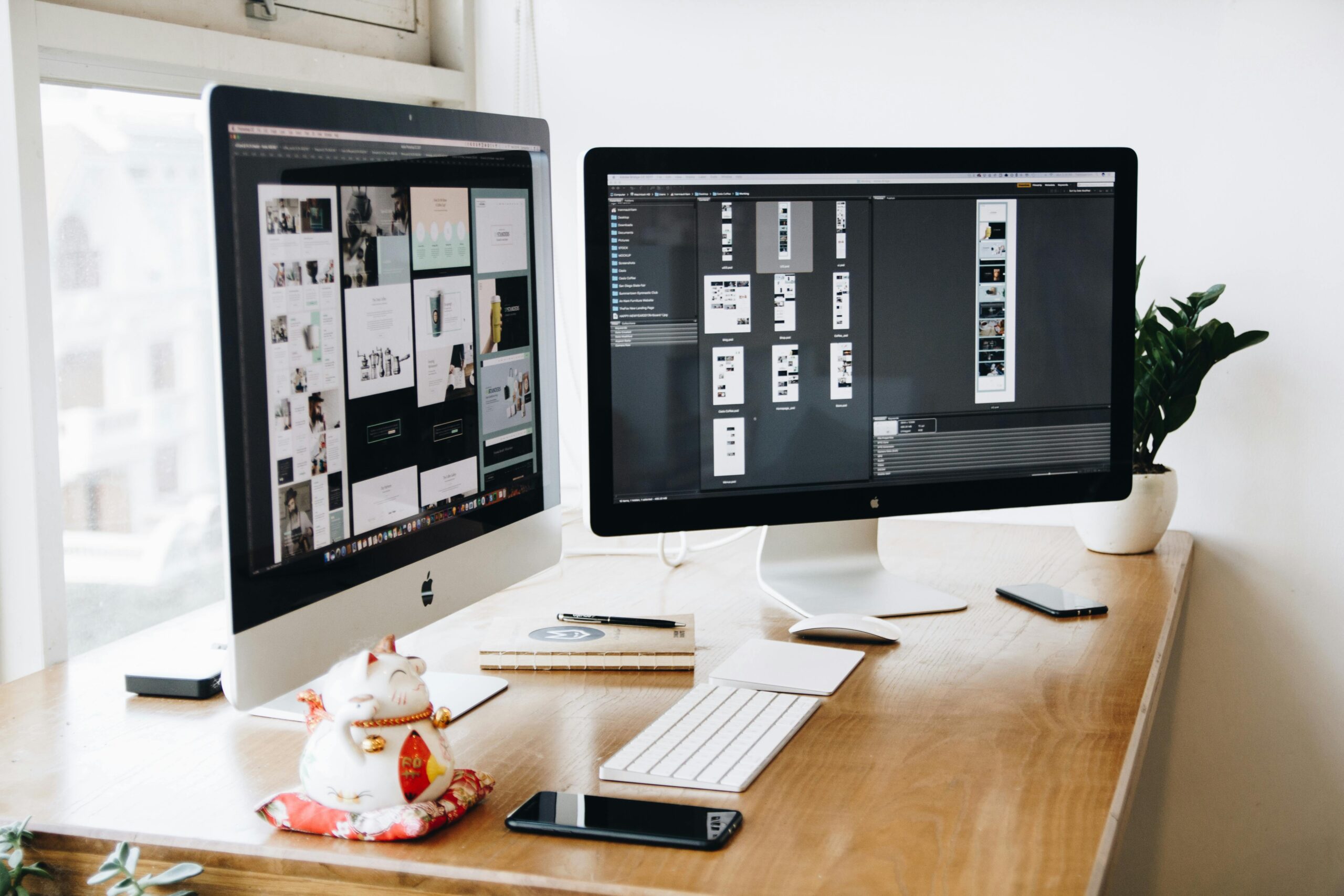
With new website builders and drag-and-drop tools appearing every year, some people wonder whether WordPress is still relevant. The short answer: absolutely. WordPress remains the most widely used content management system in the world, powering everything from small personal blogs to major business websites. Its strength lies in flexibility — you can customize almost any part of a site, install thousands of plugins, and grow your web presence without switching platforms.
For beginners, WordPress is a practical skill with real career value. Understanding themes, plugins, and the WordPress dashboard opens the door to freelance work, portfolio building, and digital marketing roles. It also gives you a deeper understanding of how websites function behind the scenes — something you don’t get from closed, template-only builders.
Most importantly, WordPress teaches you skills that transfer. If you decide to learn custom themes, PHP, or more advanced CMS systems later, you’ll already have the foundation. For creatives looking to build modern, adaptable websites, WordPress is still one of the smartest places to start.
With new website builders and drag-and-drop tools appearing every year,…
-
How To Set Realistic Creative Goals
Creative goals often feel exciting in the moment — “start a YouTube channel,” “launch a portfolio,” “design every day” — but without structure, they can quickly become overwhelming. The key is to move from vague intentions to measurable, achievable actions. Instead of “improve my design skills,” try narrowing it to something like “complete three logo studies this month.” Specificity helps your brain understand what success looks like.
Another important step is to build goals around your actual life, not the fantasy version where you magically have more hours in the day. If your schedule is tight, choose smaller, consistent actions over big, sporadic ones. Ten minutes a day of sketching or exploration beats waiting for the perfect three-hour creative block that never arrives. Realistic pacing prevents burnout and builds momentum.
Finally, revisit your goals regularly. Creativity isn’t linear — your interests shift, new opportunities appear, and some ideas simply lose their spark. Give yourself permission to adjust your goals without guilt. Progress comes from staying engaged, not from rigidly sticking to a path that no longer inspires you.
Creative goals often feel exciting in the moment — “start…
-

Should You Learn Photoshop or Figma First?
If you’re just starting your design journey, choosing between Photoshop and Figma can feel overwhelming — both are powerful, industry-standard tools, but they serve different purposes. Photoshop is ideal for image editing, compositing, digital painting, and creative experimentation. It’s the place where pixels can be pushed, stretched, blended, and manipulated into almost anything. Figma, on the other hand, shines for interface design, prototyping, and collaborative workflows. It’s built for speed, structure, and real-time teamwork.
Which should you learn first? It depends on your creative goals. If you’re interested in graphic design, social media content, or digital art, Photoshop gives you foundational skills that carry into many other tools. But if your focus is UI/UX, product design, or web/app layouts, Figma is the faster, more intuitive starting point. Its learning curve is gentler, and you can begin producing polished designs within a few sessions.
The good news: you don’t have to choose forever. Most modern creatives use both tools in different parts of their workflow. Start with the tool that best aligns with your immediate goals, then expand as your creative practice grows.
If you’re just starting your design journey, choosing between Photoshop…
-

5 Tips to Get the Most Out of a Workshop
Attending a workshop is more than just showing up — it’s an opportunity to maximize skill-building in a short amount of time. The best learning happens when you arrive prepared. Before the session, skim any provided materials, double-check that your software is updated, and jot down 2–3 questions you hope to get answered. When you walk in with intention, you gain far more clarity and confidence throughout the day.
During the workshop, focus on high-impact note-taking. Instead of trying to record everything the instructor says, capture the “why” behind each step, bookmark any shortcuts or techniques you want to revisit, and write down personal reflections on how you might use the skill in your own creative projects. These kinds of notes become long-term resources instead of forgettable scribbles.
Finally, don’t shy away from feedback — it’s one of the biggest advantages of in-person learning. Ask the instructor to review your work-in-progress, compare techniques with peers, and check in about next steps you can take after the workshop ends. Thoughtful feedback turns a one-time class into ongoing growth.
Attending a workshop is more than just showing up —…




“Nova helped me create and launch my first portfolio website!”
– Jennifer Chaidez

“They offer different choices depending on what you’re looking for, which is very considerable. ”
– Ares Dean

“Everything was clear and made it really easy to move through.”
– Xavier James